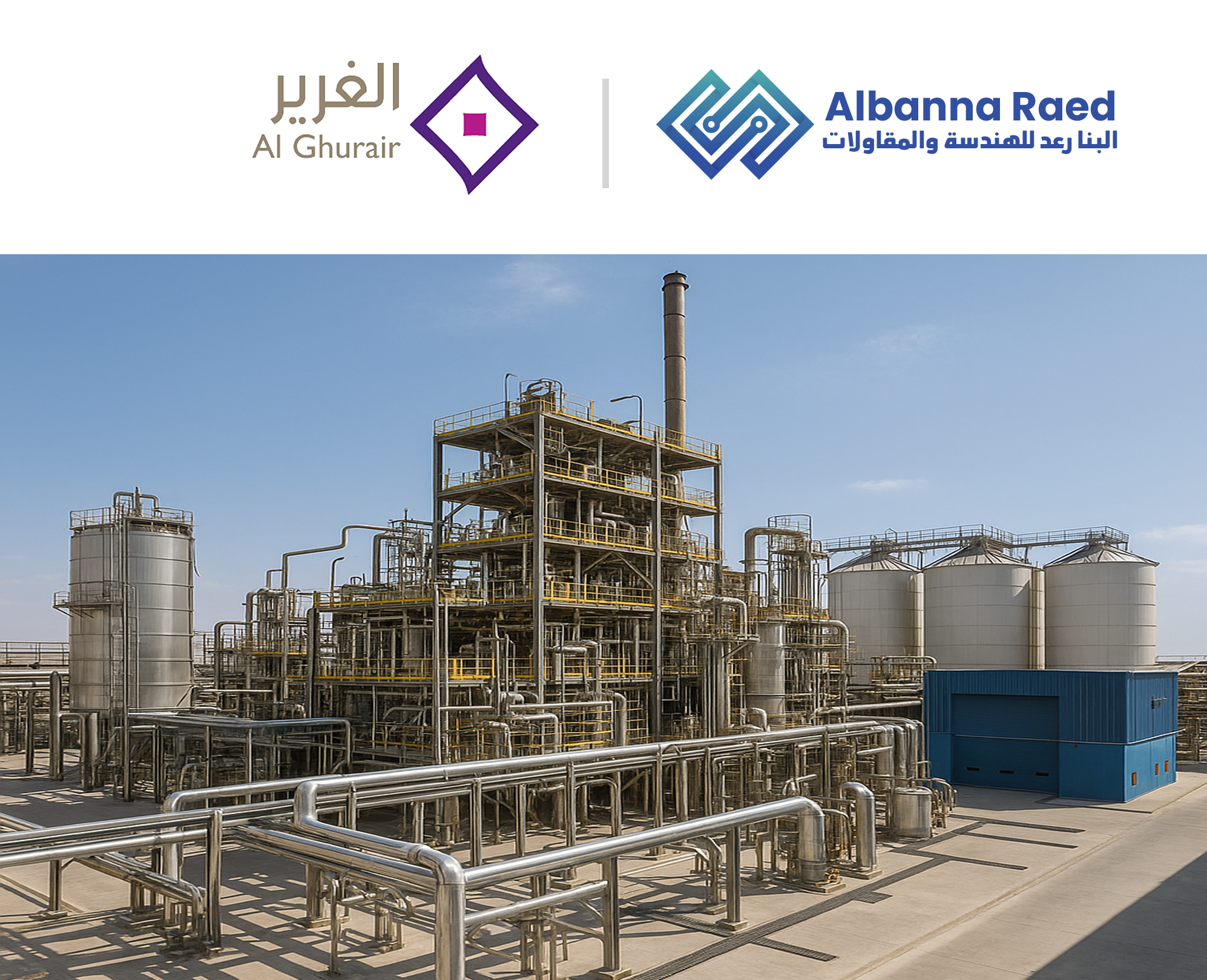
The Renewable Energy Surge
Solar and wind energy have become the flag bearers of the green energy revolution. Solar photovoltaics (PV) are expected to dominate global electricity generation, with installations projected to reach 630 gigawatts annually by 2030—nearly four times the record level achieved in 2020. Wind power is also set to grow significantly, requiring the installation of 390 gigawatts annually by the same time. As costs continue to fall and technology improves, both sources will play an increasingly central role in decarbonizing energy systems.
Notably, solar is set to become the single largest energy source by mid-century. Wind energy, while facing challenges such as supply chain bottlenecks, is catching up. Offshore wind farms are proving especially promising, capitalizing on strong and consistent sea winds.
Electrification and Energy Efficiency
In the net zero pathway, electricity becomes the backbone of the energy system, especially as technologies evolve and expand. The International Energy Agency (IEA) projects that By 2050, nearly half of global energy consumption will be electrified, with clean energy sources powering that electricity, up from around 20% today. This electrification is vital across all sectors, particularly in transport, heating, and industry. This includes a rapid expansion of electric vehicles (EVs), with the goal of 60% of global car sales being electric by 2030, compared to just 5% today.
Energy efficiency plays a central role, with a goal to improve energy intensity (the amount of energy used per unit of GDP) by 4% annually until 2030—a threefold increase compared to the previous two decades. These advancements in efficiency and electrification could result in a world economy that is 40% larger by 2030, using 7% less energy than today.
Technological Breakthroughs in Hydrogen and Carbon Capture
To achieve net zero emissions, it’s not enough to rely on established technologies like solar and wind. The IEA identifies emerging clean technologies, including green hydrogen and carbon capture, utilization, and storage (CCUS), as essential for decarbonizing sectors like heavy industry, aviation, and long-distance transport. Hydrogen produced through electrolysis (using renewable electricity) could become a key clean fuel for industries that are difficult to electrify, such as steel manufacturing and shipping. CCUS will play a vital role in capturing emissions from industrial processes and storing them underground
Innovation in these fields over the next decade will be essential to closing the gap between available technologies and those needed for decarbonizing heavy industries like steel, cement, and long-distance transport.
Policy and Global Cooperation
Governments are pivotal in driving the green energy transition, yet the current commitments fall far short of what’s required. To meet net zero targets, the IEA stresses the need for robust policies, increased public and private investment, and a clear global framework for cooperation.
Phasing out fossil fuel subsidies, enforcing carbon pricing, and implementing mandates on clean energy adoption are all critical policy tools that need to be ramped up in the 2020s. Simultaneously, international collaboration will be key to ensuring developing economies can leapfrog directly into renewable energy without relying on fossil fuels for growth.
In addition, governments must prioritize research and development funding,while incentivizing private investment. Public and private sector investments, totaling around $5 trillion annually by 2030, will be needed to support the global shift toward renewable energy.
Social and Economic Impacts
Transitioning to a green economy isn’t just about technology; it’s also about people. According to the IEA, approximately 5 million jobs in fossil fuel industries may be lost by 2030, although the shift to clean energy could create 14 million new jobs globally.
To ensure a fair and just transition, governments must prioritize retraining programs for workers displaced by the decline of the fossil fuel industry, and direct clean energy investments to regions most affected by the energy shift.
Key Milestones for the Next Decade
This unprecedented surge in clean energy investments is expected to contribute to global economic growth, adding around 0.4% to annual GDP by 2030. The health benefits from reduced air pollution, the creation of new industries, and improved energy access are additional co-benefits that underscore the importance of acting now.
The period between now and 2030 is crucial for achieving the net zero target. Key actions include:
- Expanding renewable energy installations to 1,020 gigawatts annually by 2030.
- Ensuring new coal plants are phased out, with no new projects after 2021.
- Scaling up electric vehicle adoption, making them the majority of new car sales by 2030.
- Mobilizing large-scale investments, including $5 trillion annually in energy systems.
- Establishing policies to incentivize energy efficiency, which can contribute significantly to reducing global energy demand even as economies grow.
Conclusion
The path to a sustainable energy future is challenging, but it’s also full of opportunities. The energy system of the future will be clean, resilient, and dominated by renewable energy. Solar and wind energy, electric vehicles, hydrogen, and carbon capture are not just technologies of the future—they are the present-day solutions we must scale up rapidly to stay on track for net zero.
Governments, businesses, and citizens alike must seize this moment to accelerate the energy transition, ensuring that the next decade marks the turning point towards a sustainable future.