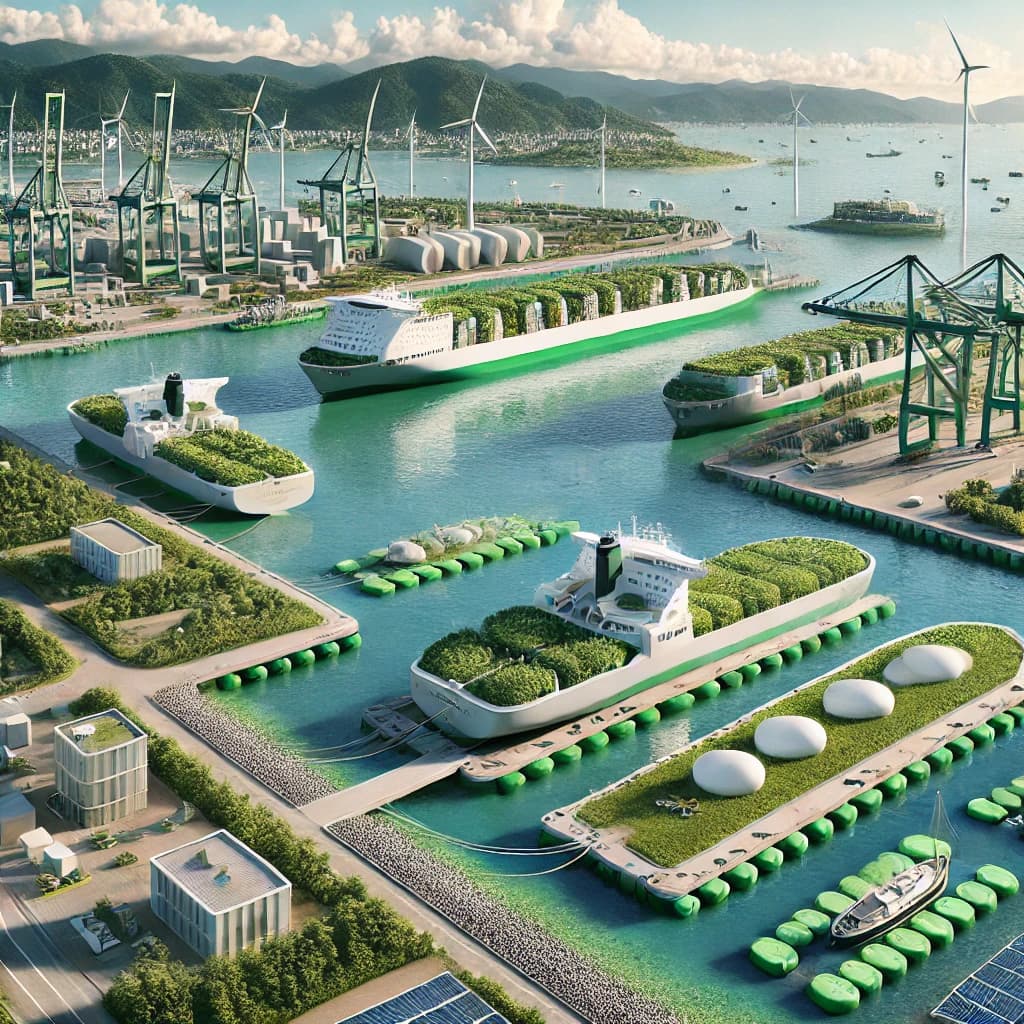
Sustainable Marine Construction: A Priority for Modern Ports
Sustainable Techniques Shaping the Future of Ports
Ports are increasingly adopting sustainable construction techniques to protect marine environments while maintaining efficient operations. Some of the key strategies include:
- Low-Impact Dredging: Essential for keeping waterways navigable, traditional dredging can disrupt ecosystems. EPC companies now use precision dredging methods that limit sediment disturbance, preserving marine life and minimizing environmental impact.
- Living Shorelines: Rather than relying on concrete barriers, ports are implementing nature-based solutions like living shorelines. These use natural materials, such as plants and oyster reefs, to prevent erosion and support biodiversity.
- Eco-Friendly Revetments: Conventional concrete structures can damage coastal ecosystems. In response, EPC contractors are using eco-friendly alternatives that combine natural materials with environmentally safe concrete, protecting ports from rising sea levels and storm surges.
- Floating Infrastructure: In response to rising sea levels and limited coastal space, floating docks and terminals are emerging as flexible solutions. These structures reduce the need for land reclamation and extensive dredging, offering a more sustainable approach to port expansion.
Emerging Technologies Revolutionizing Port Operations
Alongside sustainable construction, new technologies are transforming how ports operate, improving efficiency and reducing their environmental impact. Key innovations include:
- IoT and Smart Sensors: Ports are adopting Internet of Things (IoT) technology and smart sensors to monitor cargo movement, energy consumption, and equipment performance in real time. This data-driven approach boosts efficiency, reduces downtime, and optimizes resource usage.
- Blockchain for Supply Chain Transparency: Blockchain technology is enhancing the security and transparency of port operations, especially in managing shipments and documentation. This helps ensure faster, more secure transactions, aligned with global trade standards.
- Automation and Autonomous Systems: The rise of autonomous ships and cranes is reducing human error and improving operational efficiency. These systems help optimize shipping routes, cut fuel consumption, and reduce emissions, supporting broader sustainability efforts.
- Digital Twin: This technology creates virtual replicas of port infrastructure, allows operators to simulate scenarios, forecast future needs, and optimize maintenance. This innovation streamlines daily operations and enhances long-term planning.
Harnessing Renewable Energy to Reduce Ports' Carbon Footprint
Challenges in implementing Sustainable Port Development
Conclusion
The future of sustainable port construction is bright, with technological advancements and increasing environmental awareness driving progress. As ports integrate greener practices, they will not only improve their resilience to climate change but also reduce costs and contribute to a more sustainable global trade network.
For ports looking to embrace a sustainable future, partnering with us means you will benefit from our expertise, innovation, and environmental solutions necessary to build infrastructure that stands the test of time.